Grey Wolf Animal Health Wound Care Treatment Portfolio by Advancis Veterinary
For all your wound care solutions*
Manuka Honey products
100% medical grade Manuka Honey
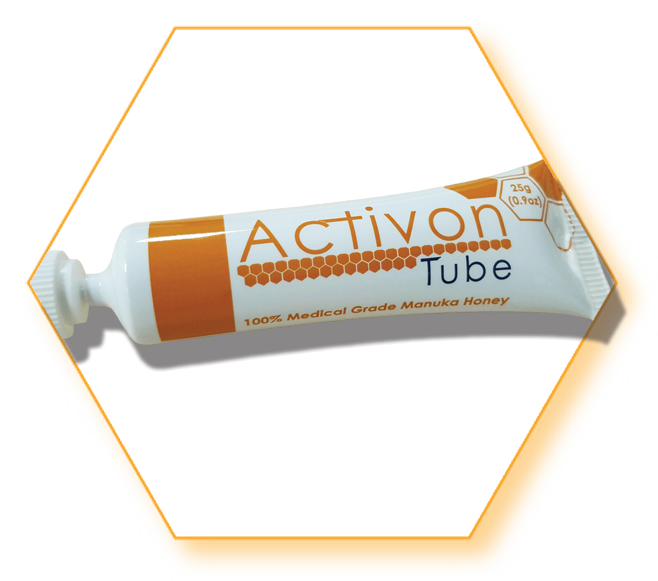
Activon® Tube
100% medical grade Manuka Honey
All-natural, Health Canada approved under VHP
Soothes irritated or sensitive skin
No additives
Sterile
For companion animals and equine not intended for food
Can be used for up to 90 days after opening
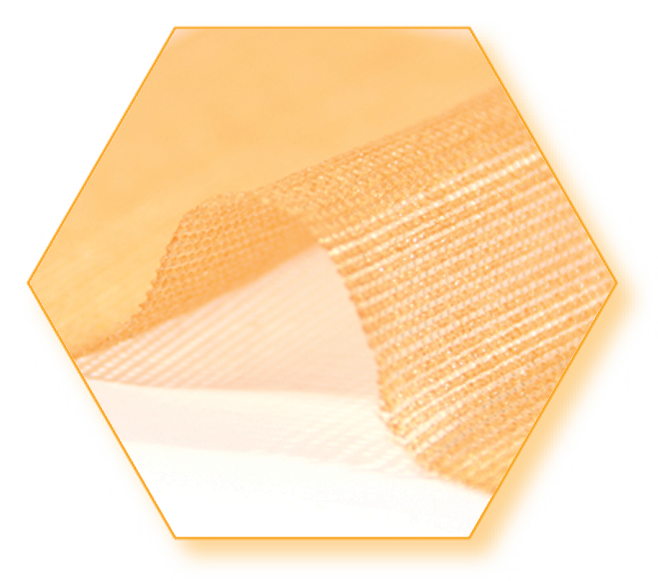
Actilite®
100% medical grade Manuka Honey
Impregnated with 99% medical grade Manuka Honey and 1% Manuka oil
Appropriate for low to moderate levels of exudate
Soothes irritated or sensitive skin
1% Manuka Oil helps to promote healthy tissue
Sterile
Left in place for up to 7 days (depending on clinical evaluation)
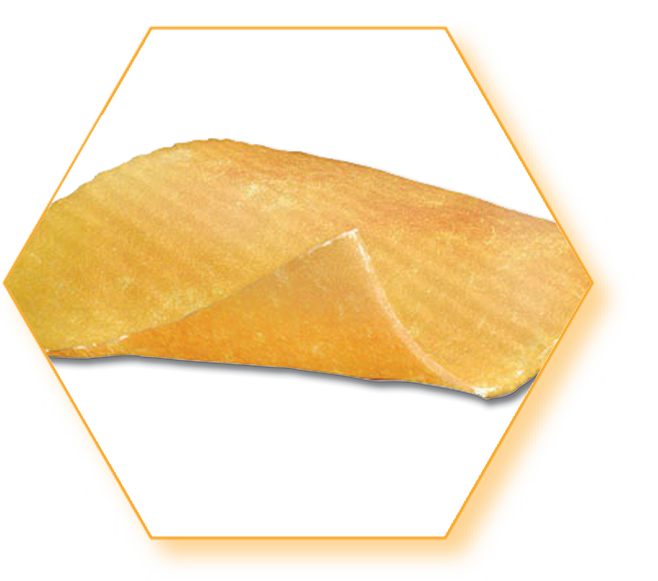
Algivon®
Alginate Dressing that has absorbent properties
Impregnated with 100% medical grade Manuka Honey
Appropriate for moderate to high levels of exudate
Very soft and conformable
Sterile
Left in place for up to 7 days (depending on clinical evaluation)
Absorbent Dressings
Maintain an optimal moist wound environment by managing exudate levels
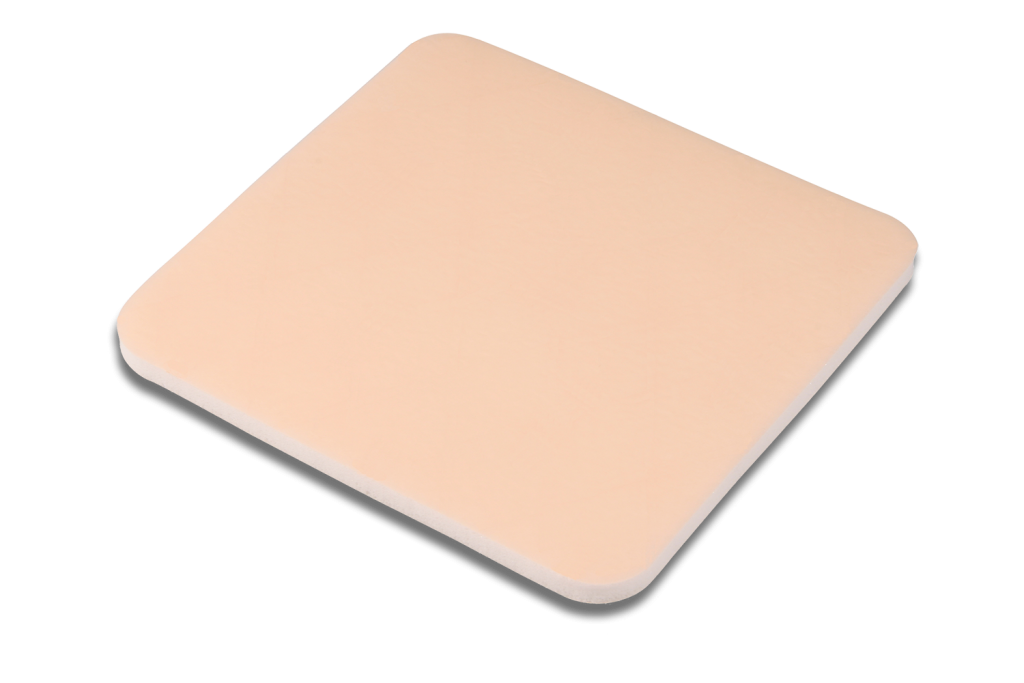
Advazorb®
A soft and conformable, non-adherent foam dressing with excellent fluid-handling properties and breathable film backing
Appropriate for low to moderate exudate levels
Non-adherent
Gentle and conformable
Breathable backing without strike-through
Gently adheres to clipped fur preventing slippage and movement
Can be used under Medical Pet Shirt®
Can be left in place for up to 7 days (depending on clinical evaluation)
Silicone Tape
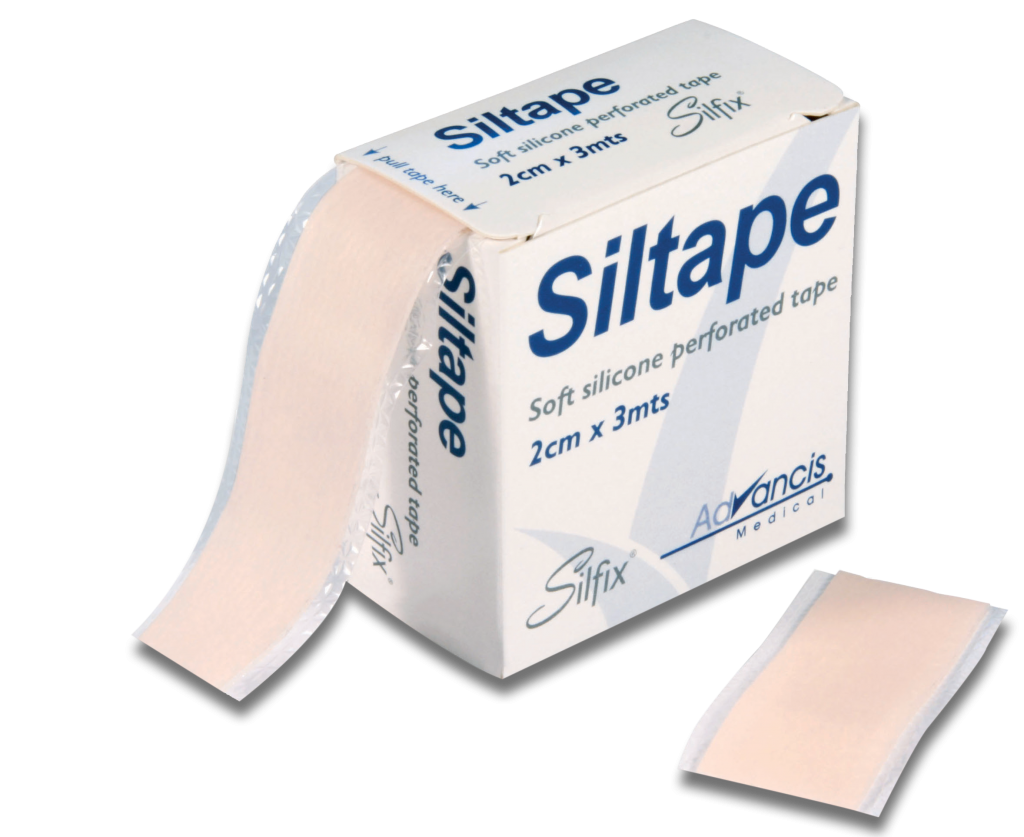
Siltape®
Made from soft silicone which is gentle on the skin.
Silicone does not strip cells in the same way that other adhesives may damage tissue.
Particularly useful in animals with very thin, very delicate friable skin that is vulnerable to damage or for sensitive areas.
Soft and conformable
Adheres only to dry skin, not to a moist wound
Easily adjustable with no loss of adherence
Available in 2cm x 3m
*Can be used in all species, including large animals and exotics
References
- Cooper, R. A., Jenkins, L., Henriques, A. F., Duggan, R. S., & Burton, N. F. (2010). Absence of bacterial resistance to medical-grade manuka honey. European journal of clinical microbiology & infectious diseases : official publication of the European Society of Clinical Microbiology, 29(10), 1237–1241. https://doi.org/10.1007/s10096-010-0992-1
- Dunford, C., Cooper, R., Molan, P., & White, R. (2000). The use of honey in wound management. Nursing standard (Royal College of Nursing (Great Britain) : 1987), 15(11), 63–68. https://doi.org/10.7748/ns2000.11.15.11.63.c2952
- Junker, J. P., Kamel, R. A., Caterson, E. J., & Eriksson, E. (2013). Clinical Impact Upon Wound Healing and Inflammation in Moist, Wet, and Dry Environments. Advances in wound care, 2(7), 348–356. https://doi.org/10.1089/wound.2012.0412
- Kruse, C. R., Nuutila, K., Lee, C. C. Y., Kiwanuka, E., Singh, M., Caterson, E. J., Eriksson, E., & Sørensen, J. A. (2015). The external microenvironment of Healing skin wounds. Wound Repair and Regeneration, 23(4), 456–464. https://doi.org/10.1111/wrr.12303
- White, R. (2016). Manuka honey in wound management: greater than the sum of its parts? Journal of wound care, 25(9), 539–543. https://doi.org/10.12968/jowc.2016.25.9.539
- Molan, P. C. (1999). The role of honey in the management of wounds. Journal of wound care, 8(8), 415–418. https://doi.org/10.12968/jowc.1999.8.8.25904
- Molan, P. C. (2006). The evidence supporting the use of honey as a wound dressing. The international journal of lower extremity wounds, 5(1), 40–54. https://doi.org/10.1177/1534734605286014